
World Leaders React After U.S. Strikes on Iran as Trump Declares: “Iran Must Now Agree to End This War”
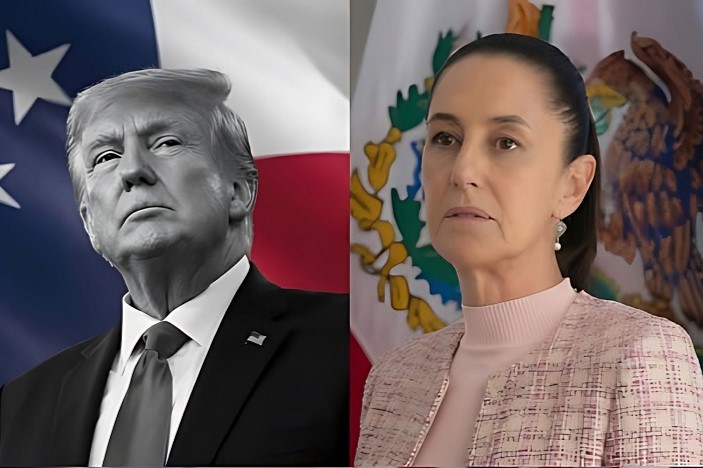
President Donald Trump declared that “Iran must now agree to end this war” following U.S. military strikes on Iranian nuclear facilities, a statement that immediately drew reactions from governments and international organisations around the world.
Posting on Truth Social shortly after the operation, Trump argued that the military action was necessary and urged Tehran to return to negotiations, while leaders across the globe expressed sharply differing views over the strikes and their potential consequences.
Iran Vows to Keep Its Options Open
Iranian Foreign Minister Abbas Araghchi condemned the attacks, describing them as a serious violation of international law and warning that Tehran would determine its response.
In a statement posted on X, Araghchi said Iran “reserves all options” to defend its sovereignty, national interests, and people.
He accused the United States of attacking what Iran describes as peaceful nuclear facilities and argued the strikes violated the United Nations Charter, international law, and the Nuclear Non-Proliferation Treaty (NPT).
Araghchi also warned that the military operation would have “lasting consequences,” while insisting that Iran retains the right to respond under the principle of self-defence recognised by the U.N. Charter.
Israel Praises U.S. Action
Israeli Prime Minister Benjamin Netanyahu strongly welcomed the strikes, calling President Trump’s decision a historic moment.
Speaking shortly after the attacks, Netanyahu said the operation demonstrated the principle of “peace through strength,” arguing that military resolve is sometimes necessary to prevent larger conflicts.
According to Netanyahu, decisive action against Iran’s nuclear programme could reshape the strategic balance in the Middle East.
China Condemns the Strikes
China criticised the U.S. military operation, saying the attacks increased tensions in an already unstable region.
In a statement released by the Chinese Foreign Ministry, Beijing argued that the strikes violated the United Nations Charter and called on all parties to exercise restraint.
Chinese officials urged both Iran and Israel to avoid further military escalation and instead resume diplomatic negotiations aimed at reducing regional tensions.
United Nations Calls for Restraint
United Nations Secretary-General António Guterres expressed deep concern over the military operation, warning that the situation could quickly spiral into a broader regional conflict.
He cautioned that continued escalation could have devastating consequences for civilians, neighbouring countries, and international security.
Guterres stressed that diplomacy remains the only sustainable solution and urged all parties to pursue dialogue rather than military confrontation.
European Union Urges Diplomacy
European Union foreign policy chief Kaja Kallas called on all sides to de-escalate the crisis and return to negotiations.
While reiterating that Iran should not be allowed to develop a nuclear weapon, Kallas said preventing further military escalation must remain an immediate priority.
She confirmed that EU foreign ministers would meet to discuss the rapidly developing situation and consider possible diplomatic responses.
Saudi Arabia Expresses Concern
Saudi Arabia said it was closely monitoring developments with “great concern.”
The kingdom’s foreign ministry urged restraint from all parties and emphasised the importance of preventing the conflict from expanding across the region.
Although Saudi Arabia has improved diplomatic relations with Iran in recent years, officials indicated they remain worried about the broader security implications of the latest military action.
Regional Reactions Continue
Lebanon’s presidency warned that attacks on Iranian nuclear facilities risked further destabilising the Middle East.
Officials urged restraint and called for renewed diplomatic efforts to prevent a wider conflict involving additional countries in the region.
Meanwhile, Yemen’s Houthi movement condemned the U.S. operation, describing it as aggression against Iran and expressing support for Tehran.
United Kingdom Seeks Negotiated Solution
British Prime Minister Keir Starmer described the Middle East as remaining highly volatile and called for renewed diplomatic engagement.
Starmer urged Iran to resume negotiations while stressing that regional stability should remain the international community’s highest priority.
Britain, France and Germany have continued diplomatic efforts aimed at preventing further escalation while encouraging renewed talks over Iran’s nuclear programme.
Russia Criticises Washington
Former Russian President Dmitry Medvedev criticised President Trump following the strikes, arguing that military action undermined previous efforts to present himself as a peacemaker.
Russian officials expressed concern that the operation could increase instability and further complicate efforts to resolve tensions through diplomacy.
Japan Calls for Calm
Japanese Prime Minister Shigeru Ishiba urged all parties to reduce tensions while reaffirming Japan’s opposition to nuclear weapons proliferation.
He stated that Iran’s nuclear programme remains a matter of international concern but stopped short of explicitly endorsing the U.S. military operation.
Japan said it would continue evaluating developments while coordinating with international partners.
Latin American Governments Respond
Several Latin American governments criticised the military action.
Venezuela condemned the strikes against Iran’s nuclear facilities, describing them as an unacceptable escalation and accusing the United States of violating international law.
Cuban President Miguel Díaz-Canel also denounced the attacks, arguing they represented a dangerous escalation capable of increasing instability throughout the Middle East.
Mexico’s Ministry of Foreign Affairs called for immediate diplomatic dialogue, urging all parties to de-escalate tensions and pursue peaceful negotiations consistent with its long-standing foreign policy principles.
Australia and South Korea Monitor Developments
Australia urged restraint while reiterating concerns regarding Iran’s nuclear and ballistic missile programmes.
Government officials said diplomacy remains essential to preventing further instability and welcomed any efforts aimed at restoring peace.
South Korea convened an emergency National Security Council meeting to assess the potential regional and global consequences of the strikes.
Officials instructed government agencies to monitor developments closely and minimise any potential impact on South Korean interests.
Pope Calls for Peace
Pope Leo appealed to the international community to prevent the conflict from expanding.
During his weekly address, the pontiff warned that continued military escalation could create irreversible suffering for civilians and future generations.
He urged world leaders to replace violence with diplomacy, saying that no military victory can compensate for the human cost of war.
International Focus Turns to What Comes Next
As governments continue assessing the implications of the U.S. operation, attention has shifted toward Iran’s next move and whether diplomatic channels can still prevent a broader regional conflict.
The sharply contrasting reactions—from strong support in Israel to condemnation from Iran, China, Venezuela and Cuba, alongside widespread calls for restraint from Europe, the United Nations and other governments—highlight the deeply divided international response.
For now, world leaders continue urging diplomacy while preparing for the possibility that tensions could escalate further if negotiations fail to resume.